Avoid fines: Westminster rules for bulky waste in Marylebone
If you live, work, or move property in Marylebone, bulky waste can turn from a simple clear-out into an expensive headache surprisingly fast. One sofa left on the pavement at the wrong time, one fridge set out without proper collection arrangements, and suddenly you are dealing with complaints, enforcement risk, and a mess you probably did not want in the first place. This guide on Avoid fines: Westminster rules for bulky waste in Marylebone explains the practical side of getting rid of large items properly, so you can stay on the right side of Westminster expectations and keep your street tidy.
To be fair, most people are not trying to cause trouble. They are just trying to move house, refresh a flat, or deal with a bulky item that no longer fits a narrow staircase or a lift that seems to have a personal grudge. The good news? With a bit of planning, you can avoid the common mistakes and choose a disposal route that is both compliant and sensible.
Table of Contents
- Why this matters in Marylebone
- How bulky waste disposal works in Westminster
- Key benefits of getting it right
- Who needs this guidance
- Step-by-step guidance
- Expert tips for smoother disposal
- Common mistakes to avoid
- Tools, resources and recommendations
- Law, compliance and best practice
- Options and comparison table
- Real-world example
- Practical checklist
- Conclusion
- Frequently asked questions
Why Avoid fines: Westminster rules for bulky waste in Marylebone Matters
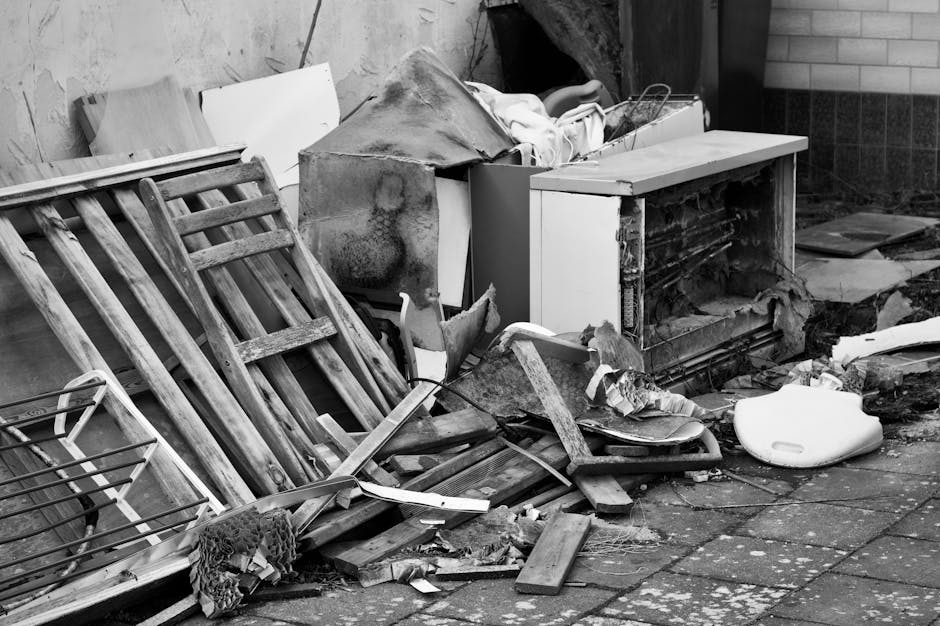
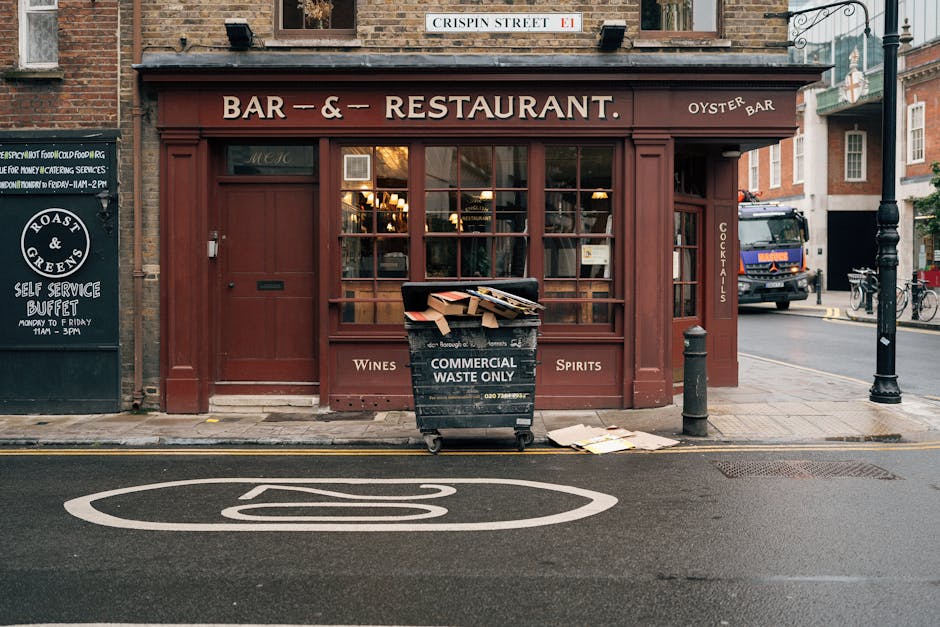
Marylebone is not the kind of place where bulky waste can be left to "sort itself out". Streets are busy, pavements can be tight, and many homes sit in mansion blocks, terraces, or flats with awkward access. That means one oversized item can become an obstruction very quickly. It also means neighbours notice. Managers notice. Enforcement teams notice. And yes, so do the people trying to wheel prams, suitcases, or shopping bags past your old wardrobe.
The core issue is simple: bulky waste has to be handled in a way that does not create a public nuisance, a hazard, or an illegal fly-tipping situation. When people dump items without arranging a proper collection or without following local instructions, the consequences can include cleanup costs and penalties. You do not need to memorise every procedural detail to stay safe, but you do need to act deliberately.
In our experience, the biggest risk is not one dramatic error. It is a chain of small ones: leaving an item outside too early, assuming a building porter will deal with it, or thinking a "temporary" placement on the kerb is harmless. It rarely is. And once the item has been sitting there for a while, what started as convenience becomes a liability.
Key point: if you want to avoid fines and avoid complaints, treat bulky waste like any other regulated part of a move or clear-out. Plan it, confirm it, and do not improvise at the last minute.
How Avoid fines: Westminster rules for bulky waste in Marylebone Works
At a practical level, bulky waste disposal in Westminster usually comes down to three things: what the item is, where it is being placed or collected from, and whether you are using an approved route for removal. A bulky item is generally something too large for ordinary household waste handling. Think sofas, mattresses, wardrobes, bed frames, large tables, exercise equipment, white goods, and similar items. A few of these can be awkward. A few dozen is a full afternoon you probably did not budget for.
The local rules are not just about the object itself. They are also about timing, access, and responsibility. If an item is placed outside, it should only be there in line with the collection arrangements you have made or the instructions you have been given. In many Marylebone buildings, access can be narrow, bins are shared, and loading space is limited, so putting something out "just for a minute" can still be a problem.
Many residents find it easier to combine bulky waste planning with a wider moving or decluttering plan. That is especially true in flats and managed blocks. If you are already organising a move, the right disposal approach can save time, reduce stress, and prevent a messy last day. A quick look at flat removals Marylebone and staircase and lift access problems for Marylebone flats can help you see why access planning matters so much here.
One more practical point: bulky waste is often safest when it is removed in the same window as the rest of your move, not left behind as an afterthought. If a van is already booked, it can make sense to include large unwanted items in the same schedule rather than arranging a separate panic job later.
Key Benefits and Practical Advantages
Doing bulky waste properly is not just about avoiding a fine. That is the obvious bit. There are also several real-world advantages that people often miss until they have had one awkward experience too many.
- Less risk of enforcement action: if items are handled through a proper route, there is less chance of complaints or penalties.
- Cleaner common areas: in Marylebone buildings, hallways, entrances, and shared courtyards can become clogged very fast.
- Better relations with neighbours and building staff: a tidy, timely disposal process reduces friction. Simple, but important.
- Safer lifting and carrying: bulky items moved properly are less likely to damage walls, lifts, stair rails, or toes. And yes, toes matter.
- More efficient moves: if you are leaving a property, a coordinated clearance is easier than dealing with random leftovers later.
There is also a sustainability upside. Some bulky waste can be reused, refurbished, or recycled depending on condition and the disposal route you choose. If you are trying to be a bit more responsible about what leaves your home, the article on recycling and sustainability is a useful companion read.
Expert summary: The safest bulky waste plan is the one that is clear, timed, documented, and matched to the actual access at your property. If you get those four things right, you are already ahead of most avoidable problems.
Who This Is For and When It Makes Sense
This guidance is for anyone in Marylebone who has large items to remove and wants to avoid creating a problem for themselves or the street. That includes homeowners, tenants, landlords, property managers, office teams, students, and anyone moving in or out of a flat. It also suits people who are clearing storage rooms, replacing furniture, or dealing with an estate sale where bulky items need to go quickly and cleanly.
It makes especially good sense when:
- you are moving from a flat with narrow stairs or limited lift access;
- you need a sofa, mattress, wardrobe, or similar item removed;
- you are trying to clear multiple bulky items in one go;
- you have a time limit because of a check-out date, handover, or booking window;
- you want to avoid leaving anything on the pavement or in a shared entrance.
People often assume bulky waste guidance only matters for big house clearances. Not really. A single item can be enough to trigger a complaint if it blocks access or sits outside too long. Truth be told, the "just one item" cases are the ones that catch people out, because they feel harmless right up until they are not.
If your situation overlaps with a move, it may also help to review man and van Marylebone and removal services Marylebone so you can judge whether disposal and transport should be handled together.
Step-by-Step Guidance
Here is a practical process you can use without overcomplicating it.
- List every bulky item. Walk through the room and write down what needs to go. Include odd pieces like broken chairs, headboards, and old shelving. People forget the "small big things" all the time.
- Check whether anything can be reused. If an item is in decent condition, consider reuse or resale before disposal. If it is damaged, unsafe, or heavily worn, disposal becomes the more likely route.
- Measure access points. Doorways, stair bends, lifts, and hall widths matter. A sofa that looks fine in the lounge can become a problem at the first turn in the stairwell.
- Decide the disposal route early. Will it be collected as bulky waste, moved out with a removal team, or taken away as part of a same-day clearance? Choose before the deadline bites.
- Check placement rules and timing. Do not place items outside until you are confident they are ready for collection or lawful removal. Early placement is where trouble often starts.
- Protect shared spaces. Use blankets, boards, or wrapping where needed. Even a battered wardrobe can scrape paint faster than you'd expect.
- Keep a record of arrangements. Save emails, booking confirmations, or notes from whoever is handling the collection. Not glamorous, but useful if a question comes up.
- Remove remaining rubbish immediately. Once the bulky item is gone, clear straps, packaging, and loose bits straight away. Leftover debris can still create a mess.
If this is happening alongside a move, pairing it with a properly planned van booking can save you a second round of hassle. A quick look at pricing and quotes can help you budget for the combined job.
And if you are short on time, same day removals Marylebone may be worth considering for urgent situations where timing really matters. Not every job needs speed, but some absolutely do.
Expert Tips for Better Results
Here is where a bit of experience saves you money and grief.
1. Treat lifts and staircases like fragile equipment. In Marylebone flats, the access route can be more difficult than the item itself. If a lift is small, padded protection and correct loading order matter. If there is no lift, plan for two-person handling and proper team spacing. This is especially relevant in older buildings and conversion flats.
2. Match the vehicle to the load. A van that is too small means extra trips, more parking pressure, and more time with bulky items exposed. A vehicle that is too large can create access or loading issues. The middle ground is often the smartest choice, which is why a well-planned removal van Marylebone booking can be far more effective than a rushed one.
3. Bundle disposal with general decluttering. If you are already emptying cupboards, loft spaces, or storage units, do the bulky items at the same time. You only want to handle the same staircase once, ideally.
4. Think about parking and loading before you touch the sofa. Kerbside loading, waiting restrictions, and tight streets can turn a ten-minute pickup into a thirty-minute shuffle. Planning ahead avoids the slow, awkward dance outside the building. There is a useful internal guide on Westminster Council kerbside loading permits in W1 if your collection depends on street access.
5. Keep neighbours informed if the item must pass through shared areas. A quick heads-up can reduce objections and help if someone needs to use the corridor or entrance while you are moving.
Small note, and maybe obvious: if a item is too heavy for you to lift safely, it is too heavy. That is the line. Pride is not a lifting technique.
Common Mistakes to Avoid
Most costly problems come from predictable mistakes. Luckily, predictable mistakes are easy to avoid once you know the pattern.
- Leaving items out too early: even if collection is expected later, early placement can become an obstruction.
- Assuming someone else will handle it: building staff, cleaners, or neighbours are not automatically responsible for your bulky waste.
- Ignoring access constraints: a beautiful antique chest is still a nightmare if it cannot turn the stair landing.
- Mixing bulky waste with loose rubbish: this can complicate collection and make the area look abandoned.
- Booking transport without checking timing: if the van arrives when loading is restricted, you lose time and patience. Both are valuable.
- Forgetting that damp weather changes everything: cardboard weakens, floors become slippery, and the item gets heavier in the rain. London weather, of course, likes a cameo appearance.
Another common issue is underestimating how long a proper clear-out takes. It is never "just this one chair". Then there is a lamp. Then a broken TV stand. Then a mattress that somehow only becomes a problem after 6:30pm. You get the idea.
Tools, Resources and Recommendations
You do not need a complicated toolkit, but a few practical items make the process smoother and safer:
- Measuring tape: essential for doors, hallways, lifts, and stair turns.
- Gloves: useful for grip, splinters, dust, and general old-furniture unpleasantness.
- Furniture blankets or wraps: helpful for protecting walls and hallways.
- Strong tape and straps: useful for keeping smaller parts secured.
- Trolley or sack truck: helpful for manageable items, though not a miracle worker.
- Booking notes and timing confirmations: unexciting, but very useful.
If you are comparing removal support, the broader service pages can help you understand what level of help fits your situation. For example, removals Marylebone, removal companies Marylebone, and services overview can help you see the difference between a basic move, a clearance-style visit, and a more coordinated job.
For homeowners or landlords dealing with churn, the house-side guidance is also handy: house removals Marylebone can be relevant when bulky items are part of a bigger exit or renovation clear-out.
Law, Compliance, Standards, or Best Practice
This topic touches local compliance, public space use, and waste handling best practice. In plain English, that means you should not place bulky waste in a way that causes obstruction, nuisance, or the appearance of illegal dumping. If you are not sure whether an item can be set out, collected, or moved by your own team, it is better to confirm first than assume later.
Good practice usually means:
- keeping bulky waste off the pavement until the correct time;
- using a lawful collection or disposal route;
- avoiding spillage, broken parts, and loose packaging;
- ensuring access is safe for residents and passers-by;
- respecting building rules as well as street-level rules;
- using proper handling methods for anything heavy, awkward, or sharp.
In Marylebone, that last point matters a lot. The area's homes are often in converted buildings, period properties, or compact flats where access is tight and the margin for error is small. If you want to reduce risk further, pairing disposal with a reputable team and reading the page on insurance and safety is a sensible move. That way, you understand what protection and process look like before items start moving.
One sensible rule of thumb: if the item needs two people to lift safely, treat it as a planned move, not a casual carry. That usually keeps everyone out of trouble.
Options, Methods, or Comparison Table
Different bulky waste routes suit different jobs. Here is a simple comparison to help you choose.
| Option | Best for | Pros | Things to watch |
|---|---|---|---|
| Book a bulky waste collection | Single or small number of large items | Structured, tidy, usually straightforward | Timing and item rules matter |
| Use a removal team | Moves with furniture and mixed loads | Efficient, less lifting for you, better for access challenges | May cost more than doing it yourself |
| Hire a man and van style service | Moderate loads, flexible timing | Good for awkward items and fast turnarounds | Needs clear instructions and access planning |
| Store items temporarily | When you are not ready to dispose immediately | Buys time for decisions | Only delays the issue unless you have a clear plan |
For many Marylebone residents, the best option is a mixed one. Store what you might keep, remove what must go, and handle the truly bulky pieces in one controlled trip. If you need a bit more room while sorting through decisions, storage Marylebone can be useful in the middle of a move or refurbishment.
If the bulky waste is part of furniture turnover, it also helps to look at furniture removals Marylebone and man with van Marylebone for practical transport support.
Case Study or Real-World Example
A fairly typical Marylebone scenario goes like this. A tenant in a second-floor flat is moving out on Friday morning. There is a sofa that will not fit into the new place, a broken desk, and a mattress that has seen better days. The building has a narrow staircase, a compact lift, and shared entrance space that cannot be blocked for long. On top of that, the street is busy enough that waiting around is not a great plan.
Instead of leaving items outside the night before, the tenant lists what needs to go, measures the route, and books a removal slot that matches the handover window. The sofa is moved first while two people are present, the mattress follows, and packaging is cleared immediately after. Nothing is abandoned in the entrance. No angry note appears on the door. Nobody has to come back later in a panic with a screwdriver and a headache.
That is the sort of result you want. It is not dramatic, but it works. And in a dense area like Marylebone, "works quietly" is usually the winning strategy.
That same approach often helps when the bulky item is tied to a last-minute move. If your deadline is tight, a look at last-minute Marylebone moves: same-day vs prebook cost can help you think about timing in a more realistic way.
Practical Checklist
Use this checklist before anything leaves your property:
- Have I identified every bulky item that needs removing?
- Have I checked whether anything can be reused, sold, or donated first?
- Do I know the exact access route from room to street?
- Have I measured doorways, stairs, and lift dimensions where needed?
- Is my disposal or removal slot booked and confirmed?
- Have I avoided putting items outside too early?
- Will the load be protected so it does not damage walls or shared spaces?
- Do I know who is responsible if the item cannot be moved in one go?
- Have I cleared the hallway and entrance of loose bits and packaging?
- Am I using a route that avoids nuisance, obstruction, or fly-tipping risk?
If you can tick most of those off, you are in good shape. If not, pause for a moment and sort the gaps. A little delay now is much cheaper than a problem later.
Conclusion
Avoiding fines and hassle with bulky waste in Marylebone is really about doing the ordinary things well: planning the removal, respecting access, keeping items off the street until the right moment, and choosing a proper disposal route. None of that is flashy, but it is exactly what protects you from avoidable headaches.
Whether you are clearing one awkward sofa or managing a full flat move, the safest approach is the one that fits Westminster expectations and the realities of Marylebone buildings. Tight stairs, small lifts, and busy kerbs do not forgive casual planning. Good preparation does.
Get a free quote today and see how much you can save.
If you are still weighing up the best way to handle a bulky item, take your time, compare the options, and choose the route that leaves your place tidy and your mind clear. That is usually the smartest way through it, and honestly, the calmer one too.
Frequently Asked Questions
What counts as bulky waste in Marylebone?
Bulky waste usually means large household items that are too big for normal rubbish collection, such as sofas, mattresses, wardrobes, tables, or white goods. If it is awkward to carry or hard to fit with regular waste, treat it as bulky waste.
Can I leave a sofa outside for collection?
Only if it is being placed out in line with an arranged collection or an approved disposal method. Leaving it outside too early, or without the right arrangement, can create an obstruction and lead to complaints or enforcement issues.
Do Westminster rules apply to flats in Marylebone as well as houses?
Yes. Flats can actually be trickier because of shared entrances, lifts, corridors, and limited storage space. In many cases, the building rules matter just as much as the street-level rules.
What is the safest way to avoid a bulky waste fine?
The safest approach is to plan ahead, confirm the collection or removal method, keep the item off the street until the right time, and make sure it does not block access or create a hazard.
Is it better to book bulky waste collection or use a removal team?
It depends on the item and the situation. For one or two items, a bulky waste collection may be enough. If you are moving, clearing several items, or dealing with difficult access, a removal team can be more practical.
What should I do if my item will not fit through the staircase?
Measure first and do not force it. If the item is too large for the route, you may need dismantling, a different handling method, or professional help. For Marylebone flats, this is more common than people expect.
Can I put bulky items by the bins if they are only there for a short time?
That is risky. Even a short stay can still obstruct access or look like dumping. Short time does not automatically mean acceptable, which is why timing matters so much.
What if I am moving out at short notice?
Short-notice moves need a firmer plan, not a looser one. Sort the bulky items first, confirm the transport window, and avoid leaving anything for "later" if later might mean after handover.
Are there ways to reduce the amount of bulky waste I need to remove?
Yes. Sell, donate, reuse, or store anything that still has value or might be needed later. A bit of sorting can reduce cost and make the final removal much easier.
Do I need to think about parking or loading access for bulky waste?
Absolutely. In Marylebone, access is often the difference between a smooth job and a frustrating one. Loading restrictions, narrow roads, and parking pressure can all affect how bulky waste is removed.
What if I am only disposing of one item?
One item can still be a problem if it blocks a path or is placed incorrectly. The number of items matters less than how and when they are handled.
Where can I get more help with a Marylebone move that includes bulky waste?
If you are planning a move, look at the broader removals and furniture pages first so the bulky waste is handled as part of a joined-up plan. That usually saves time and avoids last-minute stress.