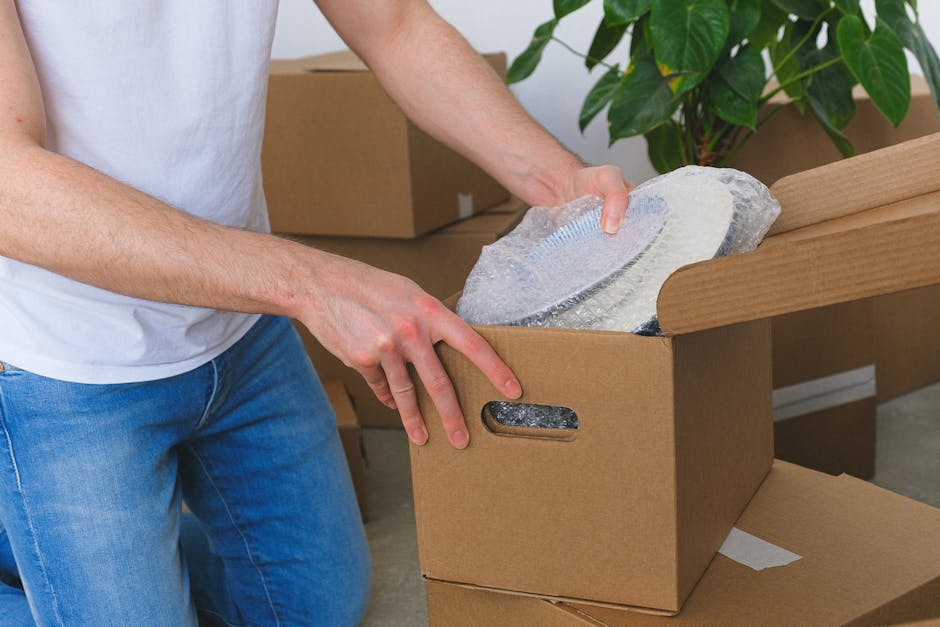
Top packing mistakes before a Marylebone move: what to avoid for a smoother relocation
Moving in Marylebone can feel deceptively simple on paper. The area looks compact, but once you are dealing with narrow streets, controlled parking, period buildings, tight stairwells, and a calendar that never seems to slow down, packing badly can turn a normal move into a stressful one. The most common packing mistakes before a Marylebone move are not dramatic on their own; they are the little things that pile up. A box that is too heavy. A label that makes no sense. A wardrobe left until the night before. Then suddenly, it is 7:30 a.m., the van is outside, and you are still hunting for charger cables and the kettle. Not ideal.
This guide breaks down the real packing errors people make, why they matter in a Marylebone move, and what to do instead. It is written for anyone planning a flat move, house move, student move, or office relocation in the area. Along the way, you will find practical steps, a comparison table, a checklist, and a few realistic examples that should make the whole process feel less like a guessing game.
Table of Contents
- Why packing mistakes matter in Marylebone
- How good packing actually works
- Key benefits of packing properly
- Who this advice is for
- Step-by-step guidance
- Expert tips for a calmer move
- Common mistakes to avoid
- Tools, resources and recommendations
- Law, compliance and best practice
- Packing methods compared
- Real-world example
- Practical checklist
- Conclusion
- Frequently asked questions
Why Top packing mistakes before a Marylebone move Matters
Packing is not just about getting belongings into boxes. In Marylebone, it affects timing, access, safety, and cost. A poorly packed move is harder to carry, slower to load, and more likely to need extra handling. That can be awkward in a neighbourhood where parking and access already demand a bit of planning.
Let's face it: even a small flat can contain more fragile, awkward, or heavy items than you remember. Books, glassware, lamps, framed prints, laptops, seasonal clothes, bathroom products, cookware, plants, and "miscellaneous" drawer stuff all add up. If the packing is messy, you pay for it later in time, damage risk, and frustration.
There is also a local angle here. Marylebone properties are often period conversions, mansion flats, basement apartments, and upper-floor homes with tighter hallways than people expect. If your boxes are overfilled or badly sized, they become harder to carry through narrow spaces and down stairs. That is where a small packing mistake turns into a very real moving-day delay.
For many residents, a smoother move starts with choosing the right moving support in the first place. If you are comparing services, it can help to look at removal services in Marylebone and local removals in Marylebone early, rather than leaving that decision until the boxes are already stacked in the hallway.
How Top packing mistakes before a Marylebone move Works
Good packing follows a simple logic: protect items, group them sensibly, label them clearly, and make everything easy to carry and unpack. Sounds obvious. It rarely is, in practice.
People often start packing in the wrong order. They grab random boxes, put heavy and light items together, use too much or too little padding, and label nothing more than "stuff." On moving day, those boxes are a puzzle. Which room do they belong in? Which side up? What is fragile? What should stay with you rather than go on the van?
In a Marylebone move, good packing works even better when it reflects the actual building layout. For example:
- Keep essential items separate so they are not buried in transit.
- Use smaller boxes for books and dense items so they do not become impossible to lift.
- Wrap fragile pieces individually, not in a loose bundle.
- Group items by room and purpose, not just by "what fits."
- Leave a little room for padding so items do not rattle around.
If you need packing materials, it is usually better to arrange them before the last week. A dedicated service such as packing and boxes in Marylebone can save a lot of rushed decision-making, and rushed packing is where the trouble usually starts.
Key Benefits and Practical Advantages
Getting packing right is not glamorous, but it pays off quickly. The benefits are very practical and, honestly, quite noticeable on the day.
- Less damage: Proper cushioning and sensible box sizes reduce knocks, breaks, and dents.
- Faster loading: Well-packed boxes are easier to stack and move through tight spaces.
- Cleaner unpacking: Clear labels save hours later.
- Lower stress: You are less likely to panic about missing essentials.
- Better use of vehicle space: Efficient boxes help the move run in fewer trips or with less faffing around.
There is also a less obvious benefit: good packing makes it easier for the moving team to handle your items properly. If you are using a man with van in Marylebone or a larger removal team, they can work more safely and efficiently when boxes are balanced and clearly marked. That tends to make everyone happier, which is never a bad thing.
Expert summary: the best packing is not the most elaborate packing. It is the packing that makes items safe, visible, and easy to move without guesswork.
Who This Is For and When It Makes Sense
This advice is for anyone moving in or around Marylebone, but it is especially useful if you are short on time, moving from a flat, or handling valuable and fragile items. The more constrained the property, the more important the packing process becomes.
It is particularly relevant if you are:
- moving from a Marylebone flat with narrow access or stairs
- relocating a family home with mixed item types
- packing for a student move and trying to keep costs sensible
- moving an office where documents and equipment need sorting properly
- moving on a tight deadline, such as an exchange completion or end-of-tenancy date
If you are in the student category, the risk is often underestimating how much you actually own. If you are moving a business, the risk is different: loose cables, unlabelled files, and mixed tech items can cost time the next morning. For office moves, it may be worth looking at office removals in Marylebone or even the practical planning ideas in this Baker Street office removals guide.
To be fair, some people can pack a one-bedroom flat in an evening without much drama. Most cannot. And that is fine.
Step-by-Step Guidance
Here is the simplest reliable way to avoid the packing mistakes before a Marylebone move. Nothing flashy. Just a process that works.
1. Start with a room-by-room plan
Do not pack by mood. Pack by location. Pick one room, finish it, then move on. A half-packed home looks like progress, but it usually creates more confusion than it solves.
2. Separate essentials early
Set aside the items you will need immediately: chargers, toiletries, medication, a change of clothes, basic kitchen bits, important documents, keys, and pet supplies if relevant. Keep this in a clearly marked bag or suitcase. Not in a box. A box is how essentials disappear for three days.
3. Use the right box size for the right item
Books and heavy things go in small boxes. Lightweight items such as bedding and cushions can use larger boxes. This is one of the easiest mistakes to fix, and one of the most ignored. A huge box full of books looks efficient until you try to lift it. Then it suddenly weighs about as much as regret.
4. Wrap fragile items properly
Wrap glassware, ceramics, ornaments, and kitchenware individually. Fill gaps with paper, towels, or purpose-made packing material. If items move inside the box, they can break against each other even if the box itself looks fine.
5. Label everything clearly
Put the room name, a short contents note, and any handling instructions on each box. For example: "Kitchen - mugs and plates - fragile." Better still, mark the top and one side. In a pile of boxes, side labels are a lifesaver.
6. Keep weight balanced
Nothing should be bottom-heavy to the point of danger or top-heavy to the point of collapse. Try to keep each box stable when carried. If you have to wobble it like a shopping basket, it needs repacking.
7. Pack the van-access items last
Things you need first at the new property should be among the last items loaded and the first to come out. That includes bedding, basic kitchen supplies, and the essentials bag. Small detail, huge difference.
Expert Tips for Better Results
Here are the packing habits that make the biggest difference in real moves, not just in theory.
- Photograph cable setups before disconnecting them. This is a tiny act of mercy to your future self.
- Pack one "first night" box per person. It should include the basics needed to function without digging through ten boxes.
- Use wardrobe boxes or garment protection for formal clothing. Creased jackets and dresses are easy to avoid with a little forethought.
- Keep screws, fittings, and small parts in labelled bags. Tape them to the furniture item or keep them in one dedicated pouch.
- Do not overload kitchen boxes. Kitchens generate a lot of dense, awkward items, and that is usually where people get caught out.
If you have bulky items such as mirrors, beds, large tables, or awkward shelving, it may be worth combining careful packing with a specialist service like furniture removals in Marylebone. Large items are where "good enough" often stops being good enough.
One more thing. If you are moving in a busy part of Marylebone, pack with hallway reality in mind. Tight turning spaces, communal entrances, and awkward front steps can make oversized or badly packed boxes far more troublesome than they look in your living room.
Common Mistakes to Avoid
This is the section that saves people the most money, time, and bad moods. Some mistakes are obvious once you see them. Others keep happening because they seem harmless right up until moving day.
| Mistake | Why it causes problems | Better approach |
|---|---|---|
| Using very large boxes for heavy items | Boxes become too heavy to carry safely | Use smaller boxes for books, tools, and kitchenware |
| Poor or no labelling | Delays unloading and unpacking | Label room, contents, and handling notes clearly |
| Leaving packing until the last minute | Results in rushed decisions and more breakage | Start with non-essential rooms early |
| Mixing fragile and heavy items together | Items crush or chip in transit | Pack fragile items separately with padding |
| Forgetting an essentials bag | You spend the first night searching for basics | Keep essentials in one clearly marked bag or suitcase |
| Not protecting furniture properly | Scratches, dents, and loose fittings | Use covers, blankets, and dismantle when needed |
Another classic mistake is packing sentimental or important paperwork in random boxes because they are "safe for now." Safe for now is not safe enough. Keep passports, tenancy papers, completion documents, and keys separate and with you.
If you are clearing a property before or after a sale, storage can also help avoid packing chaos. A sensible use of storage in Marylebone is to remove non-essential items early so the final moving day is lighter and easier to manage.
Tools, Resources and Recommendations
You do not need a mountain of equipment to pack well, but the right basics help a lot. Most poor packing comes from improvising with the wrong materials. A flimsy box from somewhere random is not a plan.
Useful packing supplies
- small and medium moving boxes
- strong tape and a tape dispenser
- packing paper or protective wrap
- labels or marker pens
- wardrobe boxes for clothing
- bubble wrap or equivalent cushioning for fragile items
- zip bags for screws, cables, and fittings
- blankets or covers for furniture protection
Helpful planning resources on this site
If you want a broader overview of moving support and related services, it helps to review the full services overview. For cost planning, pricing and quotes is a sensible next stop. And if you are still at the "what type of move do I actually need?" stage, the page on Marylebone removal companies can help you compare the broad options without overthinking it.
For more about how the local area and day-to-day living can affect a move, the articles on Marylebone living insider information and unique gems in Marylebone offer a useful sense of the neighbourhood itself. That may sound secondary, but it really does help with timing, access, and general expectations.
Law, Compliance, Standards, or Best Practice
Packing a home does not usually involve heavy regulation, but there are still practical standards and responsibilities worth following. If you are moving in the UK, the main focus is on safety, reasonable care, and respecting access rules set by your building or landlord.
Best practice generally includes:
- keeping walkways clear while packing
- not leaving heavy objects where they can fall
- protecting floors and walls where needed
- lifting boxes safely and not exceeding what you can manage
- checking any building instructions for lifts, loading bays, or access times
If you are moving from an office, there may be extra expectations around document handling, equipment care, and safe dismantling of furniture. It is also sensible to understand how your chosen removals provider approaches handling, safety, and liability. A quick look at insurance and safety information and the health and safety policy can be reassuring before moving day.
For sustainability-minded moves, it may be worth thinking about reuse and waste reduction too. Reusable boxes, careful recycling, and less throwaway packing material all help keep things tidier and a little more sensible. The page on recycling and sustainability is a good fit if that matters to you.
Options, Methods, or Comparison Table
Different packing styles suit different moves. There is no single right way, but some methods are clearly better depending on the size and pace of your relocation.
| Method | Best for | Pros | Watch-outs |
|---|---|---|---|
| Self-packing | Smaller moves, tight budgets, flexible timelines | Low direct cost, full control | Time-consuming, easy to overlook fragile items |
| Hybrid packing | Busy households, office moves, mixed item types | Balances control and convenience | Needs clear communication about what is packed by whom |
| Professional packing support | Large homes, fragile belongings, tight deadlines | Faster, safer, more systematic | Costs more, so it needs budgeting |
For many Marylebone moves, the hybrid option works very well. You can pack personal items and essentials yourself, then bring in help for bulky, fragile, or time-sensitive sections. That often feels like the least stressful middle ground. Not fancy, just sensible.
If your move is particularly short-notice, a same day removals service in Marylebone may be relevant too, but it works best when the packing has already been kept reasonably tidy. Same-day logistics and chaotic packing do not make great companions.
Case Study or Real-World Example
A typical Marylebone flat move gives a good picture of how packing mistakes happen. Imagine a one-bedroom apartment near a busy road, with a narrow stairwell and limited loading time. The move is booked for the morning, because mornings usually feel more manageable. By 8:00 p.m. the night before, the customer has packed three boxes: one full of books, one full of kitchen items, and one mixed box containing bedding, cables, and toiletries.
The problem shows itself immediately. The book box is too heavy. The mixed box contains a bottle that leaks slightly onto soft fabric. Nothing catastrophic, but now there is an awkward delay while things are reboxed and wiped down. Meanwhile, the fragile plates are still sitting loose in a cupboard because there was "no time" to pack them properly.
A better version of the same move is almost boring in comparison. Small boxes for books. Medium boxes for kitchenware. Labels on every side. An essentials bag. Fragile items wrapped in paper and packed before bedtime. On the day, the team can load quickly, and the customer can find the kettle, charger, and bedding without opening ten boxes.
That is the real lesson, truth be told. Good packing does not look impressive. It just prevents a lot of little problems from becoming one giant one.
Practical Checklist
Use this checklist in the final 48 hours before your move. It is simple on purpose.
- Pack room by room, not randomly
- Set aside documents, keys, chargers, medication, and valuables
- Use small boxes for heavy items
- Wrap fragile items individually
- Fill gaps so items do not shift inside boxes
- Label every box clearly on at least two sides
- Keep an essentials bag with you
- Bag screws, fittings, and cables separately
- Protect furniture with covers or blankets
- Check access, parking, and building instructions
- Leave a clear walkway in the property
- Confirm the moving plan with your removals provider
Quick take: if you can lift a box comfortably, understand what is inside it, and know where it belongs in the new property, you are packing well.
Conclusion
The top packing mistakes before a Marylebone move are rarely dramatic, but they are costly in the small, annoying ways that matter most. Heavy boxes, weak labels, poor timing, and rushed protection can make a local move far more stressful than it needs to be. The good news is that most of these issues are easy to avoid once you slow down, use the right materials, and think through the move from the van backwards.
If you are moving from a flat, house, or office in Marylebone, packing well is one of the simplest ways to protect your belongings and your sanity. A little structure now saves a lot of last-minute scrambling later. And that, in a busy London area like this, is worth a great deal.
If you want help planning the move itself, or you are comparing local services and need a clearer idea of what fits your situation, you can always start with the team at about us or head straight to contact us for a quick next step.
Get a free quote today and see how much you can save.
Frequently Asked Questions
What is the biggest packing mistake people make before a Marylebone move?
The biggest mistake is usually leaving too much packing until the last minute. That leads to poor box choices, weak labels, and rushed decisions about fragile or essential items.
How early should I start packing for a move in Marylebone?
For a typical home move, start with non-essential items as early as you reasonably can, often one to two weeks before moving day. If you have a larger property or lots of possessions, give yourself longer.
Should I pack books and heavy items in large boxes?
No. Heavy items are best packed in small boxes so they stay manageable. Large boxes are better for lighter things such as bedding, cushions, or soft household items.
How do I stop fragile items from breaking during the move?
Wrap fragile items individually, fill gaps in the box, and avoid mixing them with heavy objects. Clear labelling also helps the moving team handle them carefully.
What should go in an essentials box?
Keep items you need straight away: toiletries, a change of clothes, chargers, medication, keys, basic kitchen items, and important documents. Keep it with you rather than loading it into the main van.
Is it worth using professional packing help for a Marylebone flat?
It can be, especially if access is tight, the move is time-sensitive, or you have fragile belongings. Many people prefer a hybrid approach, where they pack simple items themselves and get help with the awkward bits.
How should I label boxes for a move?
Write the room name, a short contents description, and any handling note such as "fragile" or "this side up." Labelling on more than one side is a small thing that saves time later.
Do I need special packing for furniture?
Usually yes. Furniture benefits from being dismantled where practical, with screws and fittings bagged and labelled. Protective covers or blankets also help prevent scratches and knocks.
What if I am moving on short notice?
Focus on essentials first, then prioritise the most fragile and the most important rooms. If the move is very short-notice, same-day support may help, but it works best when the packing is still reasonably organised.
How can I make unpacking easier at the new property?
Pack by room, label clearly, and keep a first-night box per person. That way, each box has a purpose and the new place becomes functional much faster.
Are there any safety issues I should think about while packing?
Yes. Keep walkways clear, do not overload boxes, and lift carefully. If you are moving through stairs or narrow hallways, balanced boxes and tidy stacking matter even more.
Where can I find help with packing materials in Marylebone?
You can look at local packing support and box options through packing and boxes in Marylebone, especially if you want a cleaner, more organised start.