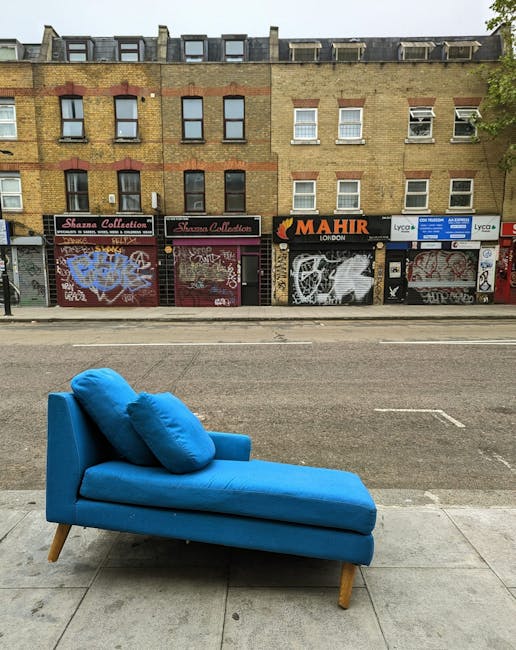
Bulky-item challenge: sofa disposal options in Marylebone
If you have ever tried to move a sofa down a narrow Marylebone stairwell, you will know the feeling: the thing looks manageable in the living room, then suddenly becomes an awkward, heavy, sofa-shaped problem. The Bulky-item challenge: sofa disposal options in Marylebone is not just about getting rid of old furniture. It is about choosing the safest, simplest, and most sensible route for your space, your schedule, and the building you live in.
In Marylebone, that decision is often shaped by tight hallways, controlled access, limited kerb space, and the very real nuisance of carrying a bulky item through a period conversion or a modern flat with a small lift. This guide breaks down the main options, the trade-offs, and the practical steps that make the process far less painful. If you are planning a wider move, you may also find the company's removals in Marylebone and furniture removals service useful for comparing approaches.
Let's face it: sofas are rarely the only thing in the way. There is usually a coffee table, a lamp, maybe a hallway mirror, and a deadline. The good news is that with the right plan, sofa disposal does not need to turn into an all-day saga.
Why Bulky-item challenge: sofa disposal options in Marylebone Matters
In a place like Marylebone, sofa disposal is about more than clearance. Buildings can be compact, access can be awkward, and timing can matter more than people expect. A sofa that seems like "just one item" may need to be removed via a narrow staircase, carried through a shared entrance, or manoeuvred around residents, visitors, and building rules. That is where planning becomes valuable.
There is also the question of what happens after the sofa leaves your home. A good disposal decision can reduce waste, preserve usable furniture, and avoid unnecessary stress. Reuse or donation may suit some items. Other sofas, especially worn-out or damaged ones, are better handled through a disposal route that prioritises safe handling and responsible recycling where possible.
Marylebone's housing mix makes this even more relevant. A basement flat near a busy street, a top-floor conversion with a tight landing, or an office that is refreshing its furniture all create different removal conditions. If you are already managing a wider move, a practical starting point is the local advice in man with van Marylebone and the broader services overview, which can help you think about the job as a whole rather than one item at a time.
Practical truth: the best option is rarely the one that sounds easiest at first. It is the one that fits the building, the sofa, and your timetable.
How Bulky-item challenge: sofa disposal options in Marylebone Works
Sofa disposal usually follows one of a few routes. The right one depends on condition, access, urgency, and whether you want to reuse, store, transport, or recycle the item. In real terms, the process often starts with a simple assessment: can the sofa be moved safely, is it worth keeping, and where should it go next?
First, check the sofa's condition. A clean, structurally sound sofa with plenty of life left in it may be suitable for resale, donation, or short-term storage. A sagging frame, torn fabric, or damaged mechanism points more toward removal and disposal. Then consider the route out of the property. In Marylebone, that route may involve stairs, lifts, access times, and possibly building permissions.
From there, the disposal method is usually selected. Some people arrange a collection as part of a wider move. Others pair the item with a small vehicle and careful loading. If the sofa is being removed alongside other furniture, services such as man and van Marylebone or removal van Marylebone can make the process more efficient, especially where the item is bulky but the job is fairly contained.
And then there is timing. A sofa collection that sounds simple can stall if the lift is booked, the loading bay is unavailable, or the hallway is too tight for a direct turn. If you have ever watched two people rotate a sofa by two inches while someone holds a door open, you know what I mean. Slightly comic. Slightly stressful. Very London.
Key Benefits and Practical Advantages
Choosing the right sofa disposal option brings more than a clear floor plan. It can reduce risk, protect the property, and save you from making rushed decisions later. Here are the main advantages people usually notice.
- Less physical strain: bulky furniture is awkward, and the risk of damage or injury rises quickly if the sofa is not handled properly.
- Better use of space: removing an old sofa creates room for a replacement, a storage solution, or simply a calmer living area.
- Cleaner handover: useful if you are moving out, selling, or preparing a property for new occupants.
- More responsible outcomes: when a sofa can be reused or recycled, disposal feels less wasteful and more thoughtful.
- Lower disruption: with the right team and timing, you can reduce noise, waiting, and access issues.
One benefit that gets overlooked is decision clarity. Once you have chosen a route, the rest of the job becomes easier. You know whether the sofa is being kept, moved, stored, or removed. That sounds basic, but it really does stop the day from drifting.
If the sofa is part of a larger room refresh or relocation, it may also help to compare it with related services like furniture removals in Marylebone and storage in Marylebone. Sometimes the smartest option is not disposal at all, but temporary storage while you decide what comes next.
Who This Is For and When It Makes Sense
This topic matters to a few very different people, and that is why a one-size-fits-all answer rarely works.
Homeowners and renters often need sofa disposal when replacing worn furniture, preparing for a move, or freeing up space in a smaller flat. In Marylebone, where many homes are compact and access can be fiddly, the practical side becomes especially important.
Landlords and letting agents may need fast turnaround between tenancies, especially if a sofa has been left behind or is no longer suitable for the property. In that case, timing and tidy removal matter almost as much as the item itself.
Offices and serviced spaces might need old sofa seating removed during reconfiguration, refurbishment, or end-of-lease clear-outs. If that sounds familiar, the page on office removals Marylebone is worth a look because bulky furniture in commercial premises often needs a different pace and access plan.
People handling a same-day problem are usually reacting to a delivery mix-up, a broken sofa, or a fast-moving move-out deadline. For those situations, same-day removals Marylebone can be the kind of practical support that keeps the day from falling apart.
Storage-first planners may not know yet whether the sofa stays or goes. That is fine. The useful thing is to avoid forcing an immediate decision when you do not need to. A measured approach is often better than a rushed one.
Step-by-Step Guidance
Here is a clear way to handle the job without overcomplicating it.
- Assess the sofa honestly. Check the frame, fabric, cushions, and overall condition. If it is badly damaged, disposal is more likely than reuse.
- Measure access points. Note doors, stair width, landings, lift size, and any awkward turns. In Marylebone, the route out can be harder than the sofa itself.
- Decide the destination. Is the sofa being donated, sold, stored, moved to another property, or disposed of completely?
- Choose the handling method. Small jobs may suit a van-based collection. Bigger or more delicate jobs may need a broader removal plan.
- Prepare the sofa. Remove loose cushions, protect sharp edges, and clear surrounding furniture. If it is fabric, a quick clean can also help if you are passing it on.
- Arrange the timing. Build around building access rules, delivery slots, and traffic conditions. Quiet, off-peak hours are often easier, though not always possible.
- Move or dispose responsibly. Make sure the item is loaded safely and headed to the agreed destination.
- Finish with a tidy-up. Check for scuffs, stray fittings, or packaging left behind. A quick sweep now saves annoyance later.
A small but useful point: if you are disposing of a sofa because you have already bought a new one, arrange the removal before the new delivery if possible. Otherwise you may end up with two sofas and nowhere to sit. Happens more than people admit.
Expert Tips for Better Results
After enough removals, a few habits become obvious. They are not glamorous, but they do save time and irritation.
- Take photos before moving. This helps if there is a dispute about condition, access, or what was agreed.
- Measure the sofa in its longest dimension. Arms, feet, and fixed sections are often the detail people forget.
- Protect walls and corners. In older Marylebone properties, paintwork and plaster can be surprisingly easy to mark.
- Use the right team size. Two people may be enough, but not if the sofa is oversized or the staircase is tight.
- Think about parking early. The most efficient removal can still slow down if the vehicle cannot stop near the entrance.
- Keep building communication simple. A quick note to the porter, managing agent, or neighbour can save confusion.
For readers who want a more all-in-one planning approach, the company's removal services in Marylebone page can help you compare how a sofa disposal task might fit into a wider house or flat move. It is often easier to bundle jobs than to split them into tiny fragments.
Expert summary: the safer your route plan, the cheaper the mistake. Most sofa disposal problems are not caused by the sofa. They are caused by the lack of a route, a measure, or a backup plan.
Common Mistakes to Avoid
Most sofa disposal headaches come from a handful of avoidable errors. Nothing dramatic. Just the usual little slips that become big enough at the worst possible time.
- Assuming the sofa will fit through the door. It may not, especially once you factor in handles, corners, and turning space.
- Leaving access checks too late. A lift booking or loading restriction can throw off the entire plan.
- Forgetting about weight and balance. A sofa can be awkward even when it is not especially heavy.
- Ignoring building rules. Some properties are strict about moving times, communal areas, and protection measures.
- Choosing the wrong disposal route. A perfectly reusable sofa should not always be treated like waste.
- Overlooking replacement timing. Removing the old piece too early or too late can both be irritating.
Another common one: underestimating how tired you will be after moving a bulky item. It sounds obvious, but 20 minutes of lifting, turning, and carrying up stairs can make the rest of the day feel longer than it should. The sofa wins. Every time, if you are not prepared.
Tools, Resources and Recommendations
You do not need a warehouse of equipment, but a few simple items make sofa disposal much easier.
- Measuring tape: for doors, hallways, stairs, and the sofa itself.
- Furniture blanket or cover: helps prevent scuffs and dirt transfer.
- Straps or gloves: useful for grip and controlled lifting.
- Clear path protection: old sheets or floor protection can help in narrow corridors.
- Phone camera: for access photos, condition records, and quick coordination.
- Vehicle space planning: especially if you are combining the sofa with other bulky items.
For readers organising a broader move, the related packing and boxes in Marylebone page is helpful because bulky-item disposal is easier when surrounding clutter is under control. There is no magic to it; just fewer things in the way.
If you want to explore local context and how people actually live around here, the blog posts on Marylebone living insider information and top packing mistakes before a Marylebone move offer useful background for the kind of moving-day pressure that often comes with large furniture.
Law, Compliance, Standards, or Best Practice
With sofa disposal, the important thing is to stay on the sensible side of local and building expectations. In the UK, bulky furniture should be handled responsibly, and any disposal route should avoid unsafe handling, fly-tipping, or damage to common areas. That part is straightforward, even if the exact method varies by property and provider.
Best practice usually means making sure the sofa is moved by people who are equipped for the task, that the route is planned in advance, and that the final destination is clear. If an item is going for recycling or reuse, it should be clean enough and complete enough for that purpose. If it is being discarded, it should be handled through an appropriate route rather than left in a communal space "for later". Later has a way of becoming someone else's problem.
In Marylebone, you also want to respect property management rules, access arrangements, and any health and safety expectations that apply to shared buildings. A cautious approach is usually the right one, particularly in older blocks or busy streets where trip hazards and congestion become real concerns quickly.
When in doubt, choose the option that is safest, documented, and easier for all parties to understand. If your sofa disposal is tied to a move, it can be worth reviewing the company's insurance and safety information and the broader terms and conditions so you know what is covered and what is expected.
Options, Methods, or Comparison Table
There is no single best sofa disposal method. The right choice depends on condition, urgency, and the kind of access you have. Here is a practical comparison.
| Option | Best for | Pros | Watch-outs |
|---|---|---|---|
| Reuse or donation | Good-condition sofas | Reduces waste, useful if the sofa still has life left | Needs suitable condition and coordination |
| Resale | Attractive, well-kept sofas | May recover some value | Can take time and requires buyer collection or transport |
| Storage | Undecided items or short-term holding | Buys time, useful during moves or refurbishments | Not ideal for damaged furniture or long-term uncertainty |
| Van-based removal | Standard bulky-item jobs | Flexible, practical, and often efficient | Access and loading still need planning |
| Full disposal collection | Damaged or unwanted sofas | Simple outcome, less personal handling | Needs proper preparation and may depend on timing |
If your sofa is part of a bigger clear-out, a broader plan often works best. The local house removals Marylebone page is particularly relevant when furniture pieces are being removed together, because one well-organised trip is usually better than three small stressful ones.
Case Study or Real-World Example
Here is a realistic example, based on the kind of job that comes up often in central London.
A couple in a first-floor Marylebone flat wanted to replace a large corner sofa before new flooring was fitted. The sofa was still usable, but the fabric had faded and the size no longer worked in the room. They first thought about selling it, then realised the stairwell turned sharply at the mid-landing and the lift was too small for the angle. That changed the plan completely.
Instead of forcing a difficult one-person move or waiting until the last minute, they measured the access route, cleared the hallway, and booked a removal vehicle alongside other unused furniture. They also checked the building's access timing so the move would not clash with the morning rush. The sofa came out without scraping the wall, the flooring team arrived to an empty room, and the whole job felt strangely calm by comparison. Not glamorous. Just efficient.
The useful lesson here is simple: the sofa itself was not the main problem. The access route was. Once they focused on the route, everything else fell into place.
That same planning logic applies whether you are moving a sofa from a private flat, a rented property, or an office lounge. If you need help matching the right vehicle and support level to the job, the pages on man and a van Marylebone and removal companies Marylebone can help you think through the difference between a light-touch collection and a more involved move.
Practical Checklist
Use this before you arrange any sofa disposal in Marylebone.
- Measure the sofa, including feet, arms, and any fixed sections.
- Measure the route out: doors, hallways, stairs, lift, and turns.
- Decide whether the sofa is being reused, sold, stored, moved, or disposed of.
- Check building access rules and any time restrictions.
- Clear the path and remove small obstacles.
- Protect walls, floors, and corners where needed.
- Arrange enough helpers for the weight and size involved.
- Confirm parking or loading arrangements if a vehicle is involved.
- Take photos of the sofa and the route if useful.
- Have a backup plan if the sofa does not fit as expected.
If you are juggling several moving tasks at once, this is also a good moment to review the practical side of pricing and quotes. Knowing what the job is likely to involve makes the decision easier, and honestly, it stops the day from becoming one long improvisation.
Conclusion
The Bulky-item challenge: sofa disposal options in Marylebone is really a question of planning well enough to avoid stress later. Once you look at access, condition, timing, and destination, the path becomes much clearer. Sometimes that means reuse. Sometimes it means storage. Sometimes it means a straightforward removal. The point is to pick the route that fits your building and your life, not just the one that sounds quickest.
Marylebone has its own rhythm. Narrow stairs, busy streets, shared entrances, and time-limited access all shape how bulky furniture moves through the area. But with a measured approach, the sofa problem becomes manageable. Not tiny. Just manageable.
Get a free quote today and see how much you can save.
And if you want to keep things moving without overthinking every step, reaching out for a practical conversation is often the simplest next move. A decent plan can save you a surprising amount of noise, time, and backache.
Sometimes the best feeling is simply having the room back.
Frequently Asked Questions
What is the best sofa disposal option in Marylebone?
The best option depends on the sofa's condition and your access. If it is usable, reuse or resale may make sense. If it is worn out, a removal or disposal collection is usually more practical.
Can a sofa be taken out of a flat with a narrow staircase?
Often yes, but it depends on the exact measurements, shape, and turning points. In some Marylebone buildings, the sofa may need to be rotated carefully or carried by an experienced team.
Should I store my sofa instead of disposing of it?
If you are undecided, or if the sofa is still in good condition, storage can buy you time. It is less sensible if the item is damaged or unlikely to be used again.
How do I know if my sofa can be reused?
Check whether the frame is solid, the cushions are usable, and the fabric is still in decent shape. If the sofa is clean and functional, it may be suitable for reuse or sale.
Is sofa disposal different in Marylebone because of access issues?
Yes, often it is. Marylebone properties can have tight halls, small lifts, and limited loading space, so the access route matters just as much as the sofa itself.
What should I measure before moving a sofa?
Measure the sofa at its widest points, then measure doors, stair turns, landings, and lifts. It is easy to forget the arms or feet, and that is where many problems start.
Can I combine sofa disposal with other furniture removals?
Absolutely, and that is often the most efficient route. If you are clearing several items, a broader furniture removal or van-based move can be much simpler than separate trips.
How far in advance should I plan sofa disposal?
As early as possible. Even a small job can be affected by access times, parking, and building rules. If you need same-day support, planning becomes even more important.
What if the sofa does not fit through the door?
That is why route checks matter. Sometimes the item can still be moved with careful turning or partial disassembly, but if not, you may need a different removal approach.
Are there safety concerns when moving a sofa myself?
Yes. Sofas are awkward, and the risk of strain, pinched fingers, or damage to walls is real. If the item is large or the access is tight, professional help is usually the safer choice.
Can I keep my sofa in storage while I decide what to do?
Yes, if the sofa is worth keeping and you have a short-term plan. Storage can be useful during a move or refurbishment, but it should not become a way of avoiding a decision forever.
Where should I start if I want help with a bulky sofa in Marylebone?
Start by checking measurements, access, and your preferred end destination for the sofa. Then decide whether you need a simple collection, a larger removal plan, or temporary storage. That first bit of clarity makes everything else much easier.