Flat Removals in Marylebone
If you are planning a move in central London, Flat Removals in Marylebone needs a level of care, planning, and local know-how that suits the area’s buildings, roads, and pace of life. Marylebone is a distinctive part of the West End, known for elegant mansion blocks, converted period buildings, boutique apartments, managed estates, mews properties, and modern residential developments. It is also a place where access can be tight, parking is often limited, and every move can involve shared entrances, lift bookings, loading restrictions, and careful timing.
That is why choosing a local flat removal service matters. Whether you are moving from a top-floor apartment near Marylebone High Street, a refurbished flat close to Baker Street, or a studio near the edge of Regent’s Park, the right team can make the whole process much easier. A good mover understands how to protect stairwells, coordinate around resident-only access, and handle furniture safely in compact spaces.
Our flat moving service is designed for real local customers who need a practical, efficient, and respectful move. From packing support and dismantling furniture to careful loading and delivery, we focus on making your move less stressful and better organised. If you are comparing options for flat removals Marylebone, the sections below explain what to expect, what is included, and how to prepare.
Why flat removals in Marylebone need local experience

Marylebone is not a typical suburban moving area. Streets can be narrow, traffic can be busy, and many properties sit in buildings where access has to be booked in advance. Lifts may be small, service entrances may be restricted, and loading bays may only allow short windows for unloading. A local removals team understands these realities and plans accordingly.
Many flats in the area are in period conversions, where staircases can be steep and hallways narrow. Others are in newer apartment blocks with concierge desks, timed access, and building-specific moving rules. A mover who regularly works in Marylebone knows that these differences matter. The right approach helps reduce delays, prevent damage, and keep the move running smoothly.
There is also the issue of timing. In central London, moving during peak traffic or at the wrong time for building access can cause unnecessary problems. Local knowledge helps with route planning, parking arrangements, and sequencing the move so that your belongings are moved as efficiently as possible.
What our flat removals service includes
Support tailored to apartments, maisonettes, and converted flats
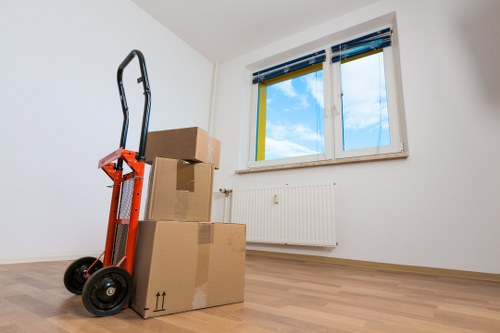
A proper flat removal service should do more than just turn up with a van. It should be designed around the needs of apartment living, where space is often limited and possessions may need to be moved carefully through communal areas.
Typical services can include:
- Packing assistance for fragile or bulky items
- Furniture dismantling and reassembly where needed
- Protective wrapping for sofas, tables, mirrors, and mattresses
- Careful handling of boxes, appliances, and personal items
- Loading and unloading with attention to building access rules
- Transport for local, London-wide, or longer-distance flat moves
Some customers only need help with the heavy lifting, while others want a full flat move handled from start to finish. The service can usually be adjusted to suit the size of your property, the amount you are moving, and the access conditions at both addresses.
For customers in shared blocks or managed developments, it is often helpful to plan ahead for lift use, corridor protection, and move-in/move-out times. This reduces disruption for neighbours and helps protect the building as well as your items.
Types of Marylebone properties we move
From compact studios to family-sized apartments

Marylebone offers a wide mix of homes, and each property type brings its own moving challenges. A flat removal team should be ready for different layouts, access points, and levels of fragility.
Common property types in the area include:
- Studio flats and one-bed apartments
- Converted Georgian and Victorian flats
- Modern purpose-built apartments
- Mansion block flats with communal entrances
- Top-floor flats with multiple flights of stairs
- Maisonettes and split-level homes
Smaller homes can still require careful planning, especially when furniture has to be carried through narrow hallways or around tight corners. Larger flats may contain more furniture, more boxes, and more items that need to be dismantled or wrapped securely before moving day.
Marylebone’s housing stock is part of what makes the area attractive, but it also means that not every move is straightforward. That is why working with movers who are used to apartment removals in central London can save time and reduce stress.
How the move is usually planned
A calm process that fits your schedule

Good flat removals start with planning. Even a small move can feel complicated if it is rushed, so the process should be clear from the beginning.
Most customers go through the following steps:
- Initial enquiry and details about your property, move date, and volume of items
- Discussion of access at both addresses, including stairs, lifts, and parking
- Confirmation of service requirements, such as packing help or furniture dismantling
- Preparation advice before moving day
- Arrival, loading, transport, and unloading
- Reassembly or placement of items where requested
Clear planning is especially important in Marylebone because blocks may have specific moving rules, such as booking lift times or using particular entrances. A little preparation helps prevent last-minute issues and ensures the team arrives ready for the site conditions.
If you are moving out of a flat near Oxford Street, the Edgware Road side of Marylebone, or the streets between Marylebone High Street and the station area, local traffic and access considerations are worth discussing early. The more the team knows in advance, the smoother the day is likely to be.
Preparation checklist for flat removals
Simple steps that make moving day easier

Preparing your flat properly can make a real difference. Even if you have booked professional movers, there are a few things you can do beforehand to save time and reduce risk.
Useful preparation steps include:
- Declutter items you no longer want to take with you
- Pack non-essential belongings in advance
- Label boxes by room and priority
- Keep important documents, keys, chargers, and valuables separate
- Defrost fridges and freezers ahead of the move if they are being taken
- Measure larger furniture against doorways, lifts, and stairwells
- Tell building management about the move if required
It is also worth checking whether your block has any restrictions on service lifts, floor protection, or loading access. In some cases, resident management teams may need notice before a removal vehicle can stop nearby. Being organised in advance helps avoid delays on the day.
For busy households, professionals, or tenants working to a fixed handover date, preparation is not just helpful; it can be essential. If you want a less stressful move, a structured checklist is one of the best places to start.
Why customers choose a local Marylebone moving team
There are good reasons why people prefer a local service for flat removals in Marylebone. A team that knows the area can often plan around road layouts, understand central London loading restrictions, and anticipate the small complications that can affect apartment moves.
Local knowledge is especially useful for customers who live in buildings with tight communal areas, short parking windows, or concierge-managed access. Rather than treating every move the same, a local team can adapt to the realities of the building and the street outside.
There is also a practical customer-service benefit. If you are moving within Marylebone, to another nearby part of Westminster, or to a neighbouring district such as Mayfair, Fitzrovia, Bayswater, or Paddington, local removals experience can help create a more responsive and efficient service. You are not just booking transport; you are booking familiarity with the area.
Benefits of choosing a local flat removals company
- Better understanding of central London access and parking conditions
- More suitable planning for flats, apartments, and converted buildings
- Experience with lifts, stairwells, and shared entrances
- Practical scheduling around busy roads and building time slots
- Support for both residential and small commercial moves
When a removal team already understands the area, you spend less time explaining the basics and more time getting the move done properly.
Residential and commercial flat moves
While many customers need help moving between homes, flat removals in Marylebone are not limited to private residents. The area also includes serviced apartments, mixed-use buildings, professional flats, and properties used by business owners or short-term tenants. Some customers are relocating between home and office; others are moving equipment, documents, or specialist items tied to a business base.
Commercial customers often need a service that is punctual, discreet, and flexible. That could mean coordinating around office hours, handling delicate equipment, or moving items from a flat used as a live-work space. In Marylebone, where many properties are multifunctional or closely managed, this kind of coordination can be very useful.
Examples of commercial or mixed-use move needs include:
- Relocation of home offices or remote-working setups
- Moves for landlords preparing a property between tenancies
- Transport for small business equipment stored in flats
- Short-notice apartment clearances for managed properties
Whether the move is personal or business-related, the same principles apply: careful handling, good timing, and clear communication.
Common access and parking challenges in Marylebone
One of the main reasons customers seek professional flat removal help in this area is access. Marylebone’s central location means that on-street parking is often limited and local roads can be busy. This is particularly relevant when moving furniture, large boxes, or appliances that need to be loaded quickly and safely.
Buildings can also create challenges. Some flats are reached by narrow staircases, some have small lifts, and some require the use of shared hallways or side entrances. It may be necessary to protect floors, wait for a lift, or move items in stages so that everyone in the building is respected.
Typical access issues can include:
- Restricted parking or loading availability
- Lift size limits
- Staircases with tight turns or low ceilings
- Concierge or estate entry procedures
- Limited stopping time outside the property
- Neighbours and building usage considerations
These issues do not make a move impossible, but they do make planning important. A professional mover will think about these points before the van arrives, rather than after problems have already started.
How to decide if you need a full removal or a smaller service
Not every customer needs the same level of support. Some people book a full removals package, while others only need a few items moved. Knowing what type of service you need can make the quote process easier and help avoid paying for extras you do not want.
A full flat removal is usually suitable if you are moving most or all of your belongings to another property. This may include dismantling beds and tables, transporting boxes, and moving appliances.
A smaller flat move may be better if you only have a limited number of items. This could include a studio move, a student relocation, a partial move, or the transfer of a few bulky items such as wardrobes, sofas, or white goods.
Things to consider when choosing the service level
- How much furniture you have
- Whether your building has stairs or a lift
- Whether packing is already done
- How far you are moving
- Whether any items need dismantling or special wrapping
Tip: If you are unsure, describe the property honestly and ask for the most suitable option based on your actual items and access conditions.
What affects the cost of flat removals?
Customers often want to know what goes into pricing. While exact prices should always be discussed directly for your move, there are several common factors that affect the overall cost of flat removals in Marylebone.
Key pricing factors usually include:
- Size of the flat and the amount of furniture
- Distance between pick-up and delivery addresses
- Access conditions, including stairs and lift use
- Parking and loading arrangements
- Whether packing materials or packing help are needed
- Any dismantling, reassembly, or specialist handling required
- Timing, such as weekend or evening moves if available
For example, a compact move from one Marylebone apartment to another nearby location may be simpler than relocating a large household from a top-floor flat with no lift. Likewise, a fully packed move with multiple heavy items will need more time and care than moving a few boxes and one or two pieces of furniture.
A clear, honest description of your move is the best way to get an accurate quote. It helps the removal team recommend the right vehicle, number of movers, and amount of time needed.
What makes a flat removal less stressful
People often think the hardest part of moving is the lifting, but in flat removals the stress usually comes from uncertainty. Will the furniture fit through the door? Can the van stop close enough? Will the lift be available? Will the move take longer than expected? A good service addresses those worries before they become problems.
There are a few signs that a removal team is likely to make your move easier:
- They ask relevant questions about access and building rules
- They explain what is included before moving day
- They suggest practical preparation steps
- They treat communal areas with care
- They are used to working in central London conditions
Customers in Marylebone often value a calm, efficient approach because many moves happen against a backdrop of work commitments, lease deadlines, or building management instructions. A smooth move is not about rushing; it is about being organised and careful.
Areas covered around Marylebone
Flat removals in Marylebone often involve nearby neighbourhoods as well as the immediate area. Customers may be moving from one central London district to another, or relocating slightly further afield within Westminster and the surrounding neighbourhoods.
Common nearby areas include:
- Baker Street
- Regent’s Park
- Fitzrovia
- Paddington
- Mayfair
- Edgware Road
- Westminster
- Bayswater
This wider coverage is helpful for customers who are moving between apartments, shared houses, serviced homes, or mixed-use properties. It also suits people who are moving out of the area but want a local starting point with strong knowledge of central London routes.
Frequently asked questions about flat removals in Marylebone
Do you handle moves from upper-floor flats?
Yes, flat removals can be arranged for upper-floor properties, including homes with stairs or limited lift access. It helps to mention the number of floors and whether the lift is suitable for furniture.
Can you move only a few items?
Yes. Not every customer needs a full household move. Smaller moves, partial loads, and the transport of bulky furniture are all common requests.
What should I do if my building has access rules?
Let the moving team know as early as possible. Building rules, lift bookings, concierge procedures, and loading restrictions should be discussed before moving day so that the service can be planned correctly.
Can packing help be included?
In many cases, yes. Some customers want a full packing service, while others only need help with fragile or awkward items. Discuss your preferences when requesting a quote.
Do I need to dismantle furniture myself?
Not always. Many removal services can help dismantle and later reassemble certain items, depending on the furniture and the service arranged. It is worth asking in advance.
Is Marylebone difficult for removals?
It can be more challenging than outer London areas because of traffic, parking, and building access, but that is exactly why a local flat removal team is helpful. Experience with central London conditions makes a noticeable difference.
How to get ready for moving day
If you want your move to go well, the best thing you can do is prepare early and stay organised. Even a few small tasks completed in advance can save time on the day.
Quick moving-day checklist:
- Confirm what is being moved
- Finish packing non-essential items
- Keep essentials in one bag or box
- Make sure hallways and entrances are clear
- Remove small items from drawers where appropriate
- Protect delicate items with suitable wrapping
- Check that keys and access arrangements are ready
If you are moving from a flat in a managed block, it is wise to allow some extra time for lift access or loading checks. It is also sensible to keep important items such as passports, medication, chargers, and documents with you rather than placing them on the van.
Booking flat removals in Marylebone
When you are ready to move, the easiest way to begin is to request a quote with the main details of your property, items, and access conditions. That allows the service to be tailored to your situation rather than using a one-size-fits-all approach.
For best results, be ready to share:
- Your moving date or preferred date range
- Property size and floor level
- Whether there is a lift
- Any parking or loading concerns
- Approximate number of boxes and furniture items
- Any packing, dismantling, or fragile-item needs
Contact us today if you want a straightforward, local service for a flat move in Marylebone. Whether you are relocating a studio, a family apartment, or a managed property, professional help can make the day simpler and more predictable.
Request a free quote and share the details of your move so the right support can be arranged. If you are planning ahead, book your service now and take an important step toward a smoother move.
Final thoughts for Marylebone customers
Flat moving in Marylebone calls for more than a van and a few strong arms. It takes local awareness, practical planning, and a careful approach to residential and commercial properties in a busy central London setting. Whether you are moving within the area or leaving Marylebone for another part of London, the right removals team can help make the process much more manageable.
From period conversions and mansion blocks to modern apartments and compact studios, every property has its own moving challenges. Add in parking restrictions, access rules, and the pace of central London, and it becomes clear why experience matters. If you are comparing options for flat removals in Marylebone, look for a service that understands the area, respects your building, and keeps your move organised from start to finish.
Get in touch, ask for a quote, and plan your move with confidence.