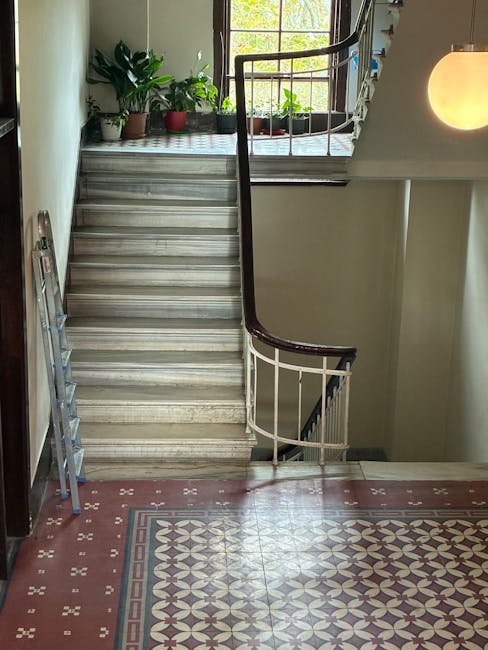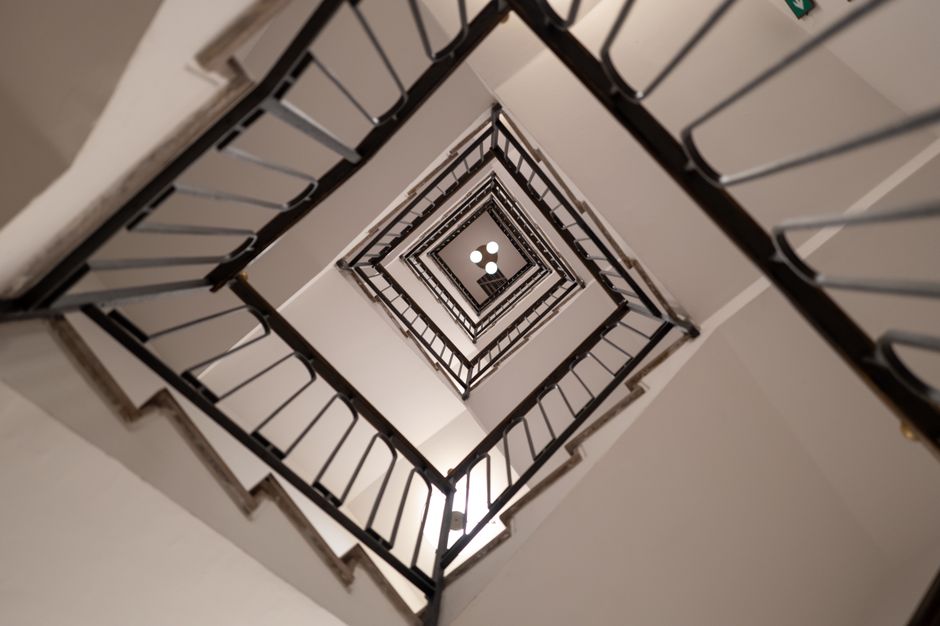
Staircase and Lift Access Problems for Marylebone Flats: A Practical Guide for Moving, Deliveries and Everyday Living
Marylebone flats can be beautiful, elegant, and frustratingly awkward at the same time. One day you are admiring the period details and tall sash windows; the next, you are trying to get a sofa up a tight staircase, or discovering the lift is out of service just when the heavy boxes arrive. Staircase and lift access problems for Marylebone flats are not a niche inconvenience - they shape how people move in, move out, receive furniture, and even plan renovations.
This guide breaks down what those access issues actually look like, why they matter, and how to handle them without turning the day into a slog. We will cover the practical steps, the common mistakes, the best-prep checklist, and the kinds of decisions that save time, money, and a lot of muttered sighs on the landing.
Why Staircase and Lift Access Problems for Marylebone Flats Matters
Access is not just a moving-day issue. In Marylebone, it can affect delivery windows, building management rules, neighbour relations, damage risk, and how long a job actually takes. A flat may look straightforward on the viewing, but the route from pavement to front door can be the real story.
Many Marylebone properties sit in converted townhouses, mansion blocks, or compact developments where staircases are narrow, landings are tight, and lifts are small or shared. That sounds manageable until you try to manoeuvre a wardrobe around a corner with a banister inches away. Then the geometry of the place suddenly matters a lot.
There is also the timing side of it. Some buildings only allow access during specific hours. Some lifts require prior booking. Some entrances are shared with residents, couriers, and contractors, so a busy morning can become a bit of a queue at the exact wrong moment. If you have ever stood in a stairwell waiting for a lift while the air smells faintly of dust and paint, you will know the feeling. Not ideal.
For movers, landlords, tenants, estate managers, and buyers, the point is simple: good access planning keeps things safe, calm, and predictable. Bad planning usually means delays, extra labour, and avoidable friction. And truth be told, a small access problem can snowball fast.
If you want a broader look at local moving support, the services overview and removals in Marylebone pages are useful starting points.
How Staircase and Lift Access Problems for Marylebone Flats Works
At its core, the issue is about moving objects through a building safely and efficiently when the building was not designed for modern bulky furniture, large appliances, or packed moving boxes. In practice, there are three main access routes to think about:
- Staircase access - common in older buildings, walk-ups, and upper-floor flats.
- Lift access - useful, but often small, shared, or subject to booking rules.
- Mixed access - for example, lift to a certain floor and stairs for the last section, or stairs for bulky items and lift for smaller boxes.
The challenge is not only physical size. It is also about route fit. A chest of drawers might technically fit through a doorway, but not turn on a landing. A sofa may pass a lift width test but fail because the lift car is not deep enough once the doors close. A piano can be a separate headache altogether, which is why specialist planning matters so much for piano removals in Marylebone.
Good access management normally starts with measurement and observation. That means checking the stair width, ceiling height, landing space, door swing, lift dimensions, floor load expectations if relevant, and any restrictions from the building management. If you are moving into a flat, the right questions are often boring ones. But boring questions save the day.
For some properties, you may also need to consider how the removal vehicle can stop outside. Even if the internal access is fine, a poor parking position can add walking distance, increase handling time, and create more wear on the item being moved. In Marylebone, where streets can be busy and spaces limited, that piece matters more than people expect.
People often ask whether it is better to use the lift or the stairs. The honest answer is: it depends on the item, the building rules, and the layout. Lift use is usually easier for boxes and lighter items, but stairs can be safer for awkward, oversized pieces if the route is clear and the team knows what it is doing. Sometimes the lift is the better choice; sometimes it is slower than a well-planned stair carry. It is not one-size-fits-all.
Key Benefits and Practical Advantages
Planning staircase and lift access properly sounds like housekeeping, but it creates very real benefits.
- Less damage risk - to walls, bannisters, floors, furniture, and lift interiors.
- Faster moves - fewer pauses, fewer route changes, fewer "hang on, that will not turn" moments.
- Lower stress - for residents, neighbours, building staff, and the moving team.
- Better cost control - because unexpected delays often mean extra labour time.
- Safer handling - particularly for heavy or awkward loads on tight stairs.
- Cleaner communication - everyone knows what is happening, when, and where.
There is also a less obvious benefit: better first impressions. If you are selling or letting a flat, a smooth move or delivery experience can make the building feel well managed. That might sound minor, but in a property market shaped by details, it is not nothing.
For landlords and sellers, access planning can also help protect the flat's condition. A scuffed wall or marked lift panel is the kind of thing people notice immediately, even if they do not say much. They just do that polite little silence. You know the one.
Marylebone homeowners and tenants preparing a move often find it helpful to read local context pieces such as Marylebone living insider information and guide to buying real estate wisely in Marylebone because access can influence both purchase decisions and move-in planning.
Who This Is For and When It Makes Sense
This guide is for anyone dealing with a flat where access is not simple. That includes:
- tenants moving in or out of upper-floor flats
- owners replacing furniture in period conversions
- landlords arranging lets between occupants
- estate agents and property managers coordinating handovers
- students shifting into compact apartments with narrow stairways
- business owners moving equipment into live-work spaces
It also makes sense if you are planning one bulky item, not a whole house move. A single sofa, wardrobe, mattress, or desk can be enough to trigger access issues. That is especially true in Marylebone, where a flat may be beautiful but the stairs are doing absolutely no favours.
Some readers only need a quick, one-off solution. Others need a more detailed move plan with permissions, lift reservations, and building checks. If you are not sure which camp you are in, start by asking a simple question: Can every item move safely by the route available, without forcing, twisting, or damaging anything? If the answer is no, you need a proper access plan.
For smaller moves, a man and van Marylebone service can be a practical fit. For more involved relocations, flat removals Marylebone is often the better match.
Step-by-Step Guidance
If you are handling a move or delivery in a Marylebone flat, this is the sequence that usually works best.
- Survey the route
Look at the path from the vehicle to the flat door. Check pavement access, entrance steps, front door width, internal stair width, lift size, and turns on the landing. If you can, take photos as you go. They help more than people expect. - Measure the biggest items
Do not guess. Measure sofas, beds, wardrobes, fridges, desks, and anything with an awkward shape. Remember to include packaging if the item is still boxed. - Check building rules early
Ask whether there are move-in time slots, lift booking requirements, protective covering requirements, or restrictions on contractor parking. Buildings often have more rules than residents remember at first. Fair enough - they are trying to protect shared areas. - Decide whether stairs, lift, or both will be used
Choose the route item by item. Boxes and soft goods may be fine in the lift. A long headboard may need the stairs. Do not assume one route will suit everything. - Prepare protective materials
Furniture blankets, corner protectors, floor protection, tape, and straps reduce the risk of damage. If the lift is tight, protection is not optional, it is part of the job. - Stage items sensibly
Keep corridors clear and place items close to the exit in the order they will be moved. This avoids bottlenecks and reduces the chance of knocking into walls or door frames. - Load in the right sequence
Heavier, awkward items usually go first in the vehicle. Keep fragile items secured and do not bury things you will need immediately after arrival. - Do a final route check before lifting
Sometimes a fresh look catches the problem. A door that opens the wrong way. A lift mirror that creates an extra snag. A landing lamp that is right in the way. Little things matter.
One small but useful habit: stand back and imagine the item turning at each corner. If you cannot picture the manoeuvre cleanly, the item probably will not enjoy it either.
Expert Tips for Better Results
Over time, the best results usually come from calm, simple habits rather than clever shortcuts.
- Book the access window before you book the vehicle if the building is strict about timing. No point having the van ready if the lift booking is not.
- Use the lift for volume, stairs for flexibility where the item mix allows it. This is often the fastest combination.
- Keep one person at the route pinch point - usually a landing, entrance, or lift lobby - so items are guided rather than improvised.
- Protect the building as well as the furniture. Lift walls, door edges, and stair rails are common contact points.
- Break down furniture where safe and practical. Flat-pack items, removed legs, and detached shelves can make an enormous difference.
- Have a backup plan for large items. If something will not fit, know in advance whether it goes into storage, stays behind for collection, or needs specialist handling.
To be fair, the smartest access solution is often the least dramatic one: a little planning, a few measurements, and enough time to avoid panic. That is most of the battle.
If the move is large or time-sensitive, it can help to compare broader service options such as removal services in Marylebone, house removals Marylebone, and same day removals Marylebone so you can match the service to the access challenge, not just the item count.
Common Mistakes to Avoid
A lot of access problems come from a short list of very predictable mistakes. The good news is that they are avoidable.
- Measuring the item but not the route - a sofa's dimensions mean little if the stair turn is too tight.
- Assuming the lift will be available - shared lifts may be booked, out of service, or simply too small.
- Forgetting packaging dimensions - the box often makes the item harder to move, not easier.
- Ignoring building instructions - missing a booking slot can derail an otherwise simple move.
- Underestimating weight - heavy items on stairs are a safety issue, not just an inconvenience.
- Not protecting surfaces - one careless scrape can be more expensive than the extra prep.
- Leaving access decisions to the last minute - this is where the chaos starts, usually around 7:30 in the morning.
Another common one: trying to "just see if it fits" when the item is already halfway up the stairs. That is how people end up with a wardrobe wedged on a landing and a small crowd quietly pretending not to be involved. Not fun.
For more move-prep advice, the article on top packing mistakes before a Marylebone move is a useful companion piece.
Tools, Resources and Recommendations
You do not need a warehouse of specialist kit, but a few practical items make access work much better.
- Tape measure for doors, lifts, stair widths, and item dimensions.
- Phone camera to capture route challenges and share them with the removal team.
- Furniture blankets for protecting wood, fabric, and painted surfaces.
- Straps and grips to keep large items steady on stairs.
- Floor runners or coverings to reduce scuffs in entrances and halls.
- Marker labels so the right items go to the right room without unnecessary rehandling.
On the planning side, a simple written inventory helps. Nothing fancy. Just a list of the main items, whether they are disassembled, and whether each one is likely to use the stairs or the lift. That one page can prevent a lot of back-and-forth on the day.
Useful pages for general preparation include packing and boxes Marylebone, furniture removals Marylebone, and storage Marylebone if you need temporary holding for items that are awkward to place immediately.
Law, Compliance, Standards, or Best Practice
For Marylebone flats, the most relevant compliance issues are usually practical rather than highly technical. You are generally dealing with building rules, health and safety duties, access arrangements, and care for shared property.
In plain English, the key best practices are:
- avoid unsafe manual handling
- do not block fire routes or communal corridors
- protect shared surfaces and lift interiors where required
- follow building access instructions and time windows
- use suitable numbers of people for heavy or awkward items
Where a lift is involved, it is sensible to treat it as shared property that needs protection. If the building management asks for blankets, lift bookings, or contractor sign-in, that is normally part of good practice. It is also just decent manners, which matters more than people admit.
For service expectations, insurance, and general working methods, you may find the following useful: insurance and safety, health and safety policy, terms and conditions, and accessibility statement.
Because building rules and access conditions vary, it is better to ask a moving company or building manager for clarification than to assume. If a lift seems too small or the staircase too tight, the safe choice may be to plan for partial dismantling, a second visit, or temporary storage rather than trying to force the issue.
Options, Methods, or Comparison Table
Different access problems call for different approaches. Here is a simple comparison to help you think it through.
| Access method | Best for | Pros | Possible downsides |
|---|---|---|---|
| Stair carry | Narrow or small items, flexible routes, buildings with no lift | No lift booking needed; useful for awkward turns; works in walk-ups | More physical effort; higher strain; greater damage risk if rushed |
| Lift access | Boxes, lighter furniture, repeated trips, predictable building layouts | Less carrying; often faster for multiple items; reduces fatigue | Small size; booking restrictions; possible breakdowns or shared use delays |
| Mixed access | Flats with both lifts and stairs, or routes with one difficult section | Flexible; can match each item to the safest route | Requires more coordination and planning; can slow down if not mapped properly |
| Disassembly plus reassembly | Bulky beds, wardrobes, tables, headboards | Often the best way to solve fit issues; reduces strain on entrances and stairwells | Needs time and the right tools; some items are not suitable for dismantling |
| Storage before final delivery | Jobs with access uncertainty or staggered move dates | Removes pressure; keeps the move on schedule; gives breathing room | Extra handling and potential extra cost; requires another delivery stage |
There is no perfect method for every Marylebone flat. The best choice is the one that fits the building, the item, and the timetable. Simple, but not always easy.
Case Study or Real-World Example
Here is a realistic example from the kind of job people run into all the time.
A couple moves into a third-floor Marylebone flat in a period conversion. The lift is tiny, and the building manager has asked that it be booked in advance. They have a sofa, a mattress, two wardrobes, and several boxes. On paper, it looks manageable. Then they arrive and realise the staircase has a tight bend on the first landing, and the sofa is longer than expected.
What works well in this situation?
- The wardrobe is dismantled before the move, which reduces the turning problem.
- The boxes go via the lift, protecting the stairs from clutter.
- The sofa is checked against the stair route before lifting, rather than halfway through.
- Floor coverings are put down at the entrance and on the main landing.
- The building manager's lift window is used efficiently, so no one is left waiting about.
That sort of planning turns a tricky day into a normal one. Not glamorous, but very effective.
A slightly different version of this comes up in office and commercial settings too. For example, the pace and access controls covered in Baker Street office removals without downtime and Portman Estate moves: access, lifts and timing in W1 show how important scheduling and building coordination can be when access is tight.
Practical Checklist
Use this as a quick pre-move or pre-delivery checklist.
- Measure the largest items in full, including packaging.
- Measure stair widths, landings, doors, and lift dimensions.
- Confirm whether the lift must be booked in advance.
- Ask about move-in times, contractor rules, and parking restrictions.
- Identify which items will use stairs and which will use the lift.
- Disassemble bulky furniture where it is safe to do so.
- Prepare blankets, straps, and protective coverings.
- Keep communal areas clear and easy to walk through.
- Notify neighbours if the building is likely to be busy.
- Have a fallback plan for items that do not fit first time.
If you are dealing with a particularly awkward item, it can be worth checking whether a specialist approach is needed. A bulky sofa, for instance, may be better managed with the kind of practical advice found in sofa disposal options in Marylebone.
Conclusion
Staircase and lift access problems for Marylebone flats are part of local life, especially in older buildings and compact conversions. The good news is that they are rarely mysterious. Most problems come down to route size, timing, communication, or not measuring something that really should have been measured.
Once you approach the job properly - check the route, confirm the rules, protect the surfaces, and match the moving method to the building - the whole process becomes much easier. And honestly, it is a relief when a move feels calm rather than theatrical. No one wants the soundtrack of a stressful stair carry in the background.
Whether you are moving a single item or an entire flat, a bit of planning will always pay off. Marylebone homes are full of character, and yes, that character often includes awkward stairs and modest lifts. But with the right preparation, they stop being a problem and start becoming just another detail to manage well.
For tailored support, service information, or a practical discussion about your move, start with the main removal companies Marylebone page and the contact page.
Get a free quote today and see how much you can save.
Sometimes the smallest bit of planning is what makes the whole day feel human again.
Frequently Asked Questions
How do I know if my Marylebone flat staircase is too narrow for furniture?
Measure the width of the narrowest point, then compare it with the item in its widest usable orientation. Remember to include handrails, wall projections, and the turning space on the landing. If you have to twist the item sharply just to imagine it fitting, it probably needs a different plan.
What if the lift is available but really small?
Use the lift for boxes and smaller items, but check whether larger furniture can fit safely with enough clearance. A small lift can still be helpful, just not for everything. In many Marylebone flats, the lift is a support tool rather than the whole solution.
Should I dismantle furniture before moving it through a stairwell?
Usually, yes, if the item was designed to come apart safely. Removing legs, shelves, headboards, or doors can make a huge difference. The aim is to reduce bulk, not to create extra work, so only dismantle what can be reassembled properly later.
Do Marylebone buildings usually have rules for lift bookings?
Many do, especially in shared blocks or managed developments. Some require advance booking, lift protection, or set time windows. Always check early. It is one of those boring admin steps that saves a surprising amount of hassle.
What is the safest way to move heavy items up stairs?
The safest approach is usually to use enough people, keep the route clear, protect the surfaces, and move in a controlled, steady way. Heavy items should never be rushed on tight stairs. If something feels awkward, stop and reassess rather than forcing it.
Can I move a sofa into a flat if the staircase has a tight turn?
Sometimes, yes - but only if the dimensions work and the team can angle it safely. Sofas are one of the most common troublemakers because the length and width can clash with landings and bannisters. Measure carefully and do not assume the sofa will "just bend" the way you need it to. It rarely does.
How far in advance should I plan access for a flat move?
As early as possible. Even a few days' notice is better than none, but for managed buildings or larger moves, earlier is usually smarter. If timing is tight, a same-day solution may still work, but it is best used when the access situation is already understood.
Is a man and van service enough for access problems?
It can be, if the job is small and the access issue is straightforward. For a few boxes or a single item, it may be ideal. For larger flats or particularly awkward stairs, you may need a more complete removal service with better handling support.
What should I do if the lift breaks on moving day?
Pause, inform the relevant building contact, and reassess the plan. Depending on the item list, you may switch to stairs, delay certain items, or split the move into smaller stages. A broken lift is annoying, but it does not automatically mean the whole move is off.
How can I protect shared areas in a Marylebone building?
Use floor protection, lift blankets, and careful loading. Keep communal walkways clear and avoid leaving boxes in shared spaces. The cleaner and tidier the route stays, the easier the move is for everyone involved. That includes the neighbours, who will quietly appreciate it.
Are there special considerations for student flats with access issues?
Yes. Student flats often involve smaller rooms, shared entrances, and lots of boxed items that can pile up quickly. The good news is that the furniture is often lighter and simpler to move. The bad news is that rush-hour timing and limited lift use can make the process more awkward than expected. The student removals Marylebone page is useful if that sounds like your situation.
What is the best thing to do if an item definitely will not fit?
Do not force it. Reassess the route, consider dismantling, and decide whether the item should go into storage, be replaced, or be handled with a specialist approach. For bulky items, the safest and least stressful answer is often to step back and choose the next sensible option.
Can access issues affect moving costs?
Yes, they often can. Tight staircases, no lift, parking distance, and building restrictions can all add time and labour. The exact cost depends on the job, but access is one of the main factors that changes how long a move takes. If you want to explore the process in a more transparent way, the pricing and quotes page is a sensible place to begin.
Where can I get help with a difficult Marylebone access move?
Start by describing the building access, item sizes, and timing constraints clearly. If you need support with planning, handling, or a tight schedule, the man with van Marylebone and man and a van Marylebone pages can help you understand the available options before you book.